Cluster Flies: Why They Invade Your Home & How to Get Rid of Them
When the weather cools down, many homeowners start noticing slow-moving, buzzing flies gathered around windows, light fixtures, or attic spaces. These aren’t common houseflies — these are cluster flies, and they can become a serious nuisance if left unchecked. While they don’t spread disease or damage property like other pests, large infestations can quickly become overwhelming. Let’s look at what cluster flies are, why they invade homes, how to prevent them, and how regular pest control can help eliminate them for good.
What Are Cluster Flies?
Cluster flies are often confused with houseflies, but they are actually quite different. Unlike typical flies, cluster flies don’t come from trash, food, or filth. Instead, they originate outside — and their larvae develop inside earthworms! As bizarre as it sounds, female cluster flies lay eggs in the soil, and once the eggs hatch, the larvae use earthworms as their hosts.
Once these flies mature, they spend their summers outdoors. But when temperatures drop, they search for warm shelters — and unfortunately, your home becomes the perfect hideout.
How to Identify Cluster Flies
Here are some key signs you’re dealing with cluster flies:
Physical Characteristics
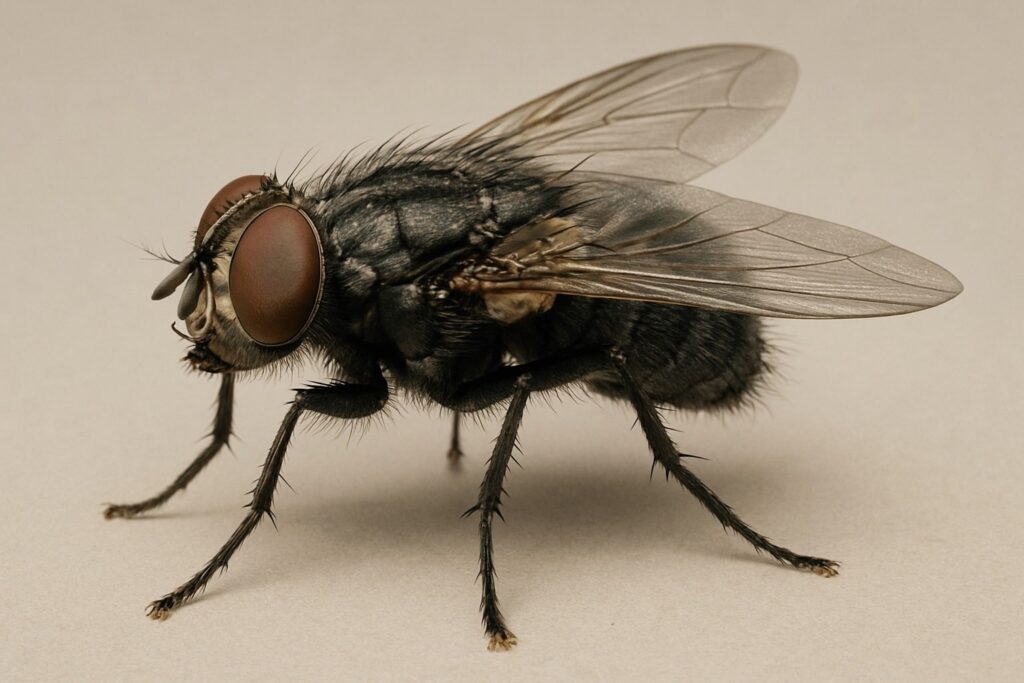
- About ⅜ inch long — slightly larger than houseflies
- Slower movement and sluggish flight
- Dark gray or black body with golden hairs on their thorax
- Wings overlap when at rest
Behavior
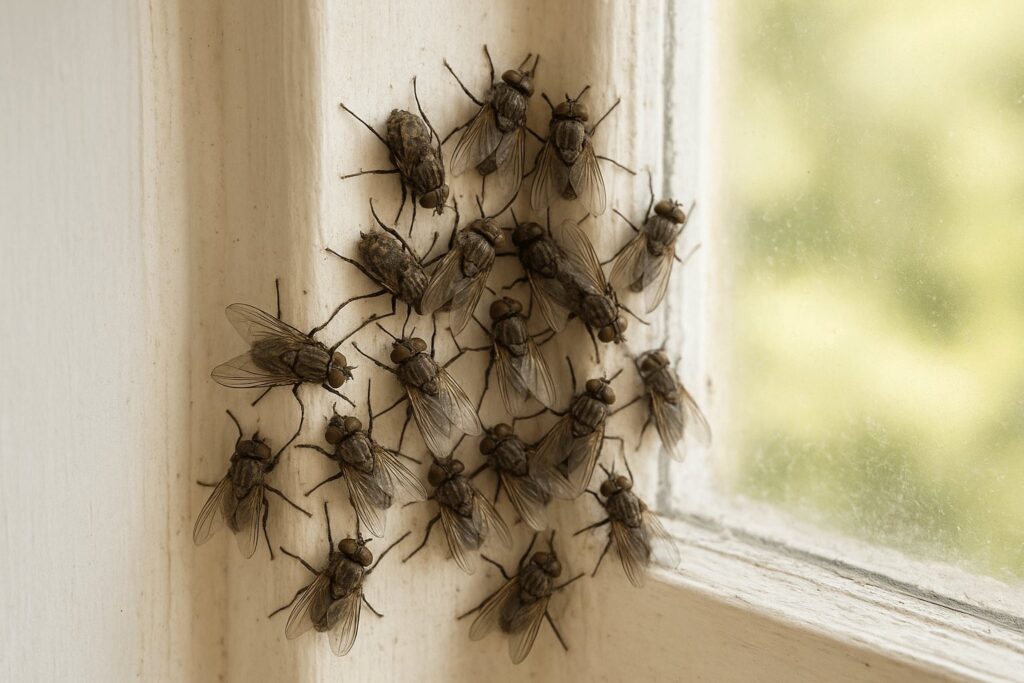
- Tend to gather in large groups (“clusters”), especially near windows
- More active on warm, sunny days — even in winter
- Often found in attics, wall voids, ceiling fixtures, or unused rooms
If you suddenly find a few flies buzzing around on a warm winter afternoon, it’s likely cluster flies waking up from dormancy.
Why Cluster Flies Enter Your Home
Cluster flies are not looking for food or moisture. They are simply seeking warmth and safety during colder months. They find tiny cracks and gaps around your home’s exterior, crawl inside, and spend winter in hibernation-like mode, known as diapause.
Common Entry Points:
- Attic vents
- Gaps around windows and doors
- Cracks in siding, fascia, or soffits
- Around utility lines or wires entering your home
- Chimneys
- Under roof shingles
Once inside, they hide in wall voids, attics, upper ceilings, and unused rooms. As soon as temperatures rise, they begin to emerge — often all at once — causing a sudden swarm inside your living spaces.
Are Cluster Flies Dangerous?
Luckily, cluster flies are not harmful to humans or pets. They don’t bite, they don’t breed inside your home, and they don’t spread disease. However, large infestations can be frustrating and unsanitary. Dead flies can attract other pests, and their droppings may stain walls and windowsills.
In severe cases, thousands of flies may gather in your attic or behind walls. The longer they remain, the more difficult they are to eliminate.
How to Get Rid of Cluster Flies
Getting rid of cluster flies takes more than just swatting them. Once they’re inside your walls and attic, DIY methods may only solve the problem temporarily. Here are the best approaches:
- Vacuum or Swat Visible Flies
If only a few have emerged, a vacuum or fly swatter can take care of them quickly. Make sure to empty your vacuum outside right away.
- Use Fly Lights or Traps
UV fly lights placed in attics or windows can capture emerging flies. Sticky traps also work, especially when placed near light sources.
- Avoid Killing Them Inside Wall Voids
Spraying inside walls can lead to dead flies accumulating — and this may attract other pests such as beetles or rodents.
- Seal Entry Points
Prevention is key! Seal cracks and gaps in siding, roofing, doors, and windows to stop flies from entering in the first place.
- Maintain Your Attic
Keep attic spaces sealed, dry, and well-ventilated. Cluster flies love undisturbed, quiet areas.
The Most Effective Method: Professional Pest Control
Once cluster flies are inside your walls or attic, they can be very difficult to remove using DIY methods. A professional pest control service can apply targeted treatments to eliminate flies before they enter your home for the winter.
How Pest Control Helps:
- Inspection: Finding where flies are entering and hiding
- Prevention treatments: Applying residual insecticides around entry points (done in late summer or early fall)
- Vacuuming & removal: Safely removing active flies and preventing buildup
- Sealing & exclusion work: Closing off weak spots around your home to stop future invasions
The best time to treat for cluster flies is before temperatures drop. Once they get inside for winter, treatment becomes more difficult — so early prevention is highly recommended.
How to Prevent Cluster Flies From Returning
Exterior Prevention Tips
- Seal cracks around windows, doors, and siding
- Install fine mesh screens on all vents
- Use caulk or foam around utility lines entering the home
- Repair damaged roof shingles or soffits
- Trim vegetation away from the home’s exterior
Interior Prevention Tips
- Keep attics, crawl spaces, and basements dry and sealed
- Install door sweeps and weatherstripping
- Use dehumidifiers if moisture is present
- Monitor warm rooms and windows during winter — flies often emerge there first
When To Worry
You should call pest control if you notice:
- Frequent fly swarms indoors during winter or early spring
- Flies emerging from light fixtures
- Several flies gathered around the same window
- Buzzing sounds in walls or attic spaces
- Recurring infestations every year
These signs usually mean that cluster flies have already established hiding spots inside your home.
Keep Your Home Fly-Free
Cluster flies might not be dangerous, but they can certainly be a nuisance — especially when large groups suddenly emerge in your home. They enter in late summer and early fall, into winter, hiding in walls and attics until warmer weather arrives. By sealing entry points, maintaining your attic, and scheduling professional pest control treatments ahead of time, you can stop cluster flies before they ever become a problem.
If you suspect cluster flies are already inside your home, don’t wait — the sooner they’re treated, the easier they are to eliminate. A pest control professional can provide inspection, treatment, and long-term prevention to keep your home fly-free all year long.