
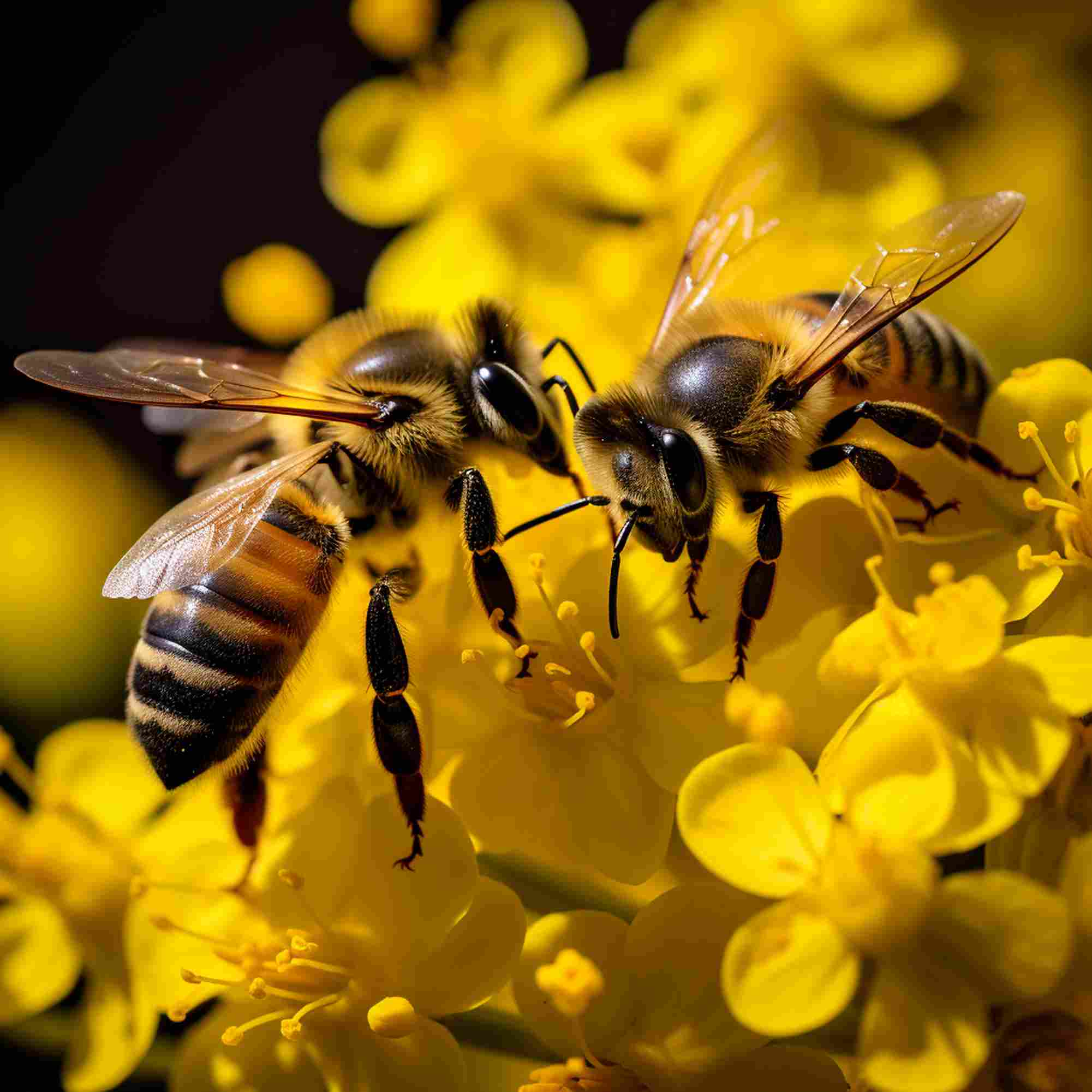
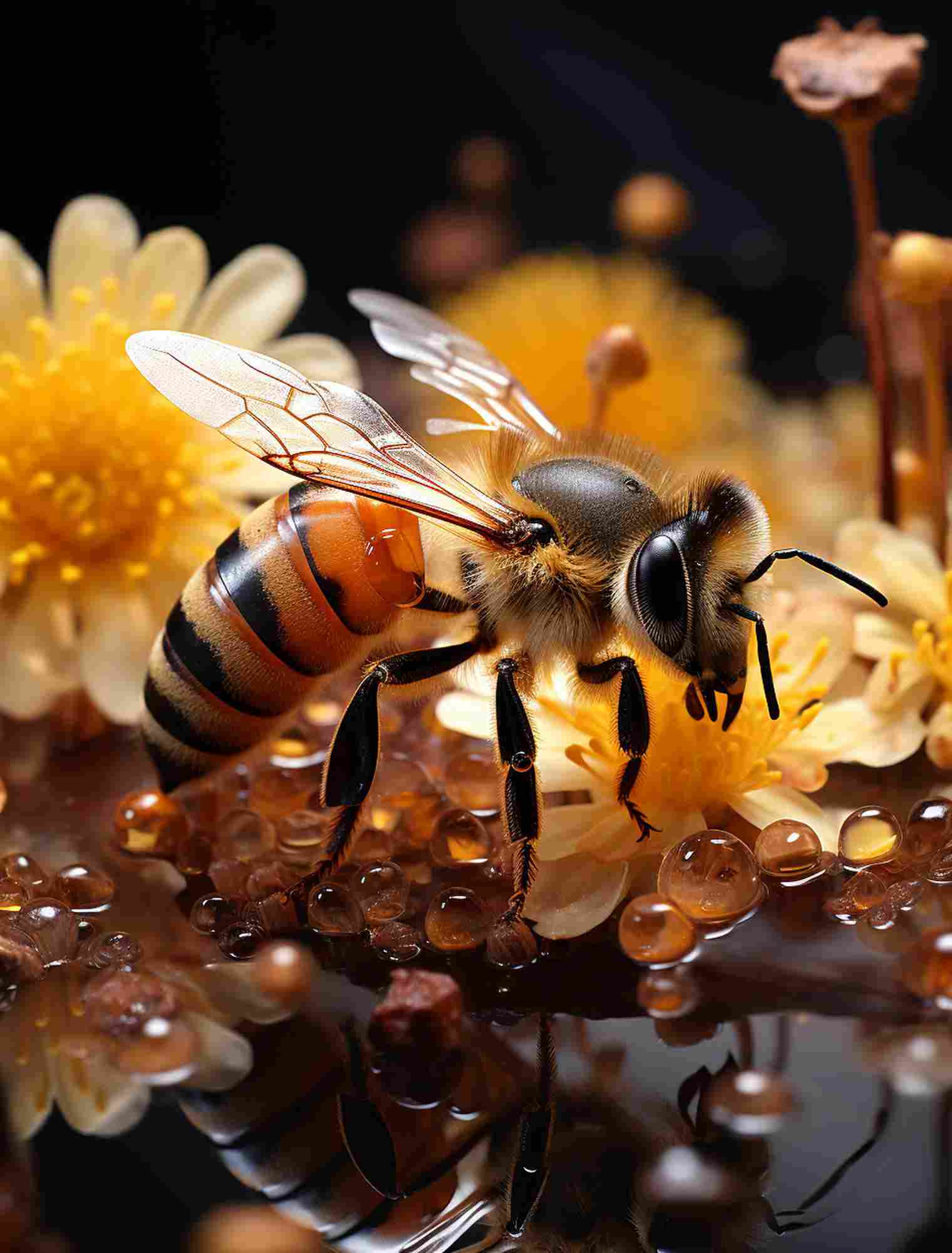
Bees are one of nature’s marvels. For millions of years bees have been beneficial to nature because they act as pollinators. There are over 20,000 species of bees around the world, but the most common are honeybees and bumblebees.
Despite their help in pollinating plants, a swarm of bees may be considered as pests. Bees can establish a colony in trees, attics, or even inside the walls of your home. This may cause future damage to your property. The honey in the bee colony can stain your walls and ceiling, and the presence of a bee colony may attract other pests and bees to your home.
Bees are very docile, although they can sting when they feel threatened. Honey bees die after they sting, so they won’t sting unless provoked. The sting of a single bee is not that painful, although it’s very rare that just a single bee will sting you. Bees will leave their stingers behind, along with the gland that carries the venom. Some people develop severe allergic reactions to bee stings. Symptoms of an allergic reaction to bee sting may include vomiting, nausea, swelling of face, mouth and neck area, difficulty breathing and swallowing, and in severe cases anaphylactic shock may also occur. If you think you have developed an allergic reaction to a bee sting, seek medical attention immediately.
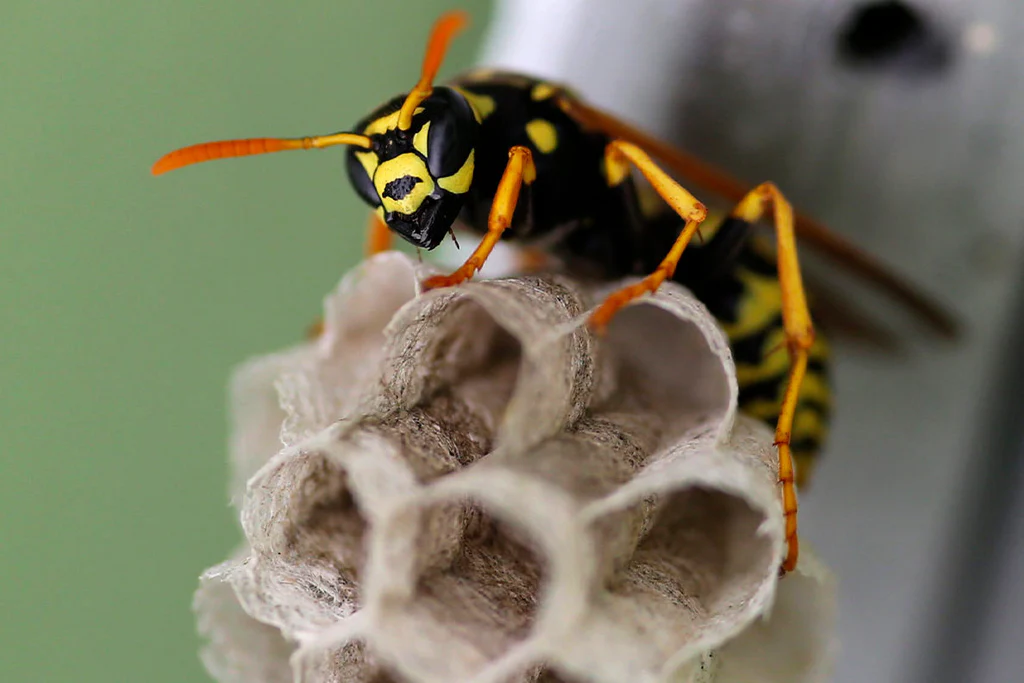
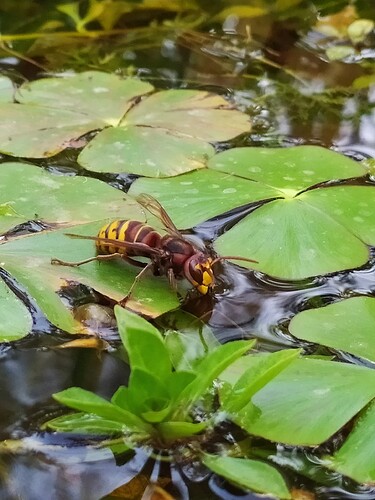
Wasps are a different story… They belong to the same family as bees, but unlike bees, most wasp species don’t really contribute to nature (only a few species are known to pollinate plants). The most notable species in the United States are commonly known as yellowjackets.
Wasps are highly aggressive due to their predatory nature; they sting to protect their colony. Unlike honeybees that sting only once, a wasp can sting repeatedly introducing their venom again and again to the victim. And like a bee sting, some people develop severe allergic reaction to a wasp sting.
A wasp sting is painful, even a solitary sting can cause swelling, redness, and irriation to the site of the wasp sting. Allergic reactions occur when the antibody immunoglobulin E (IgE) is produced by the victim. Symptoms include rashes and red spots on the skin, difficulty in breathing, and narrowing of airways, and in some case anaphylactic shock.
Bees and wasps are hard to deal with, and the most common sign that your property may be infested is when you see a worker bee or wasp buzzing around your home. Their colonies may be out of sight, but if you see even a solitary bee or wasp flying to and from your home, it’s a sure sign that a colony is nearby.
Don’t risk the safety of your family. Call your trusted pest control company to handle these buzzing pests.
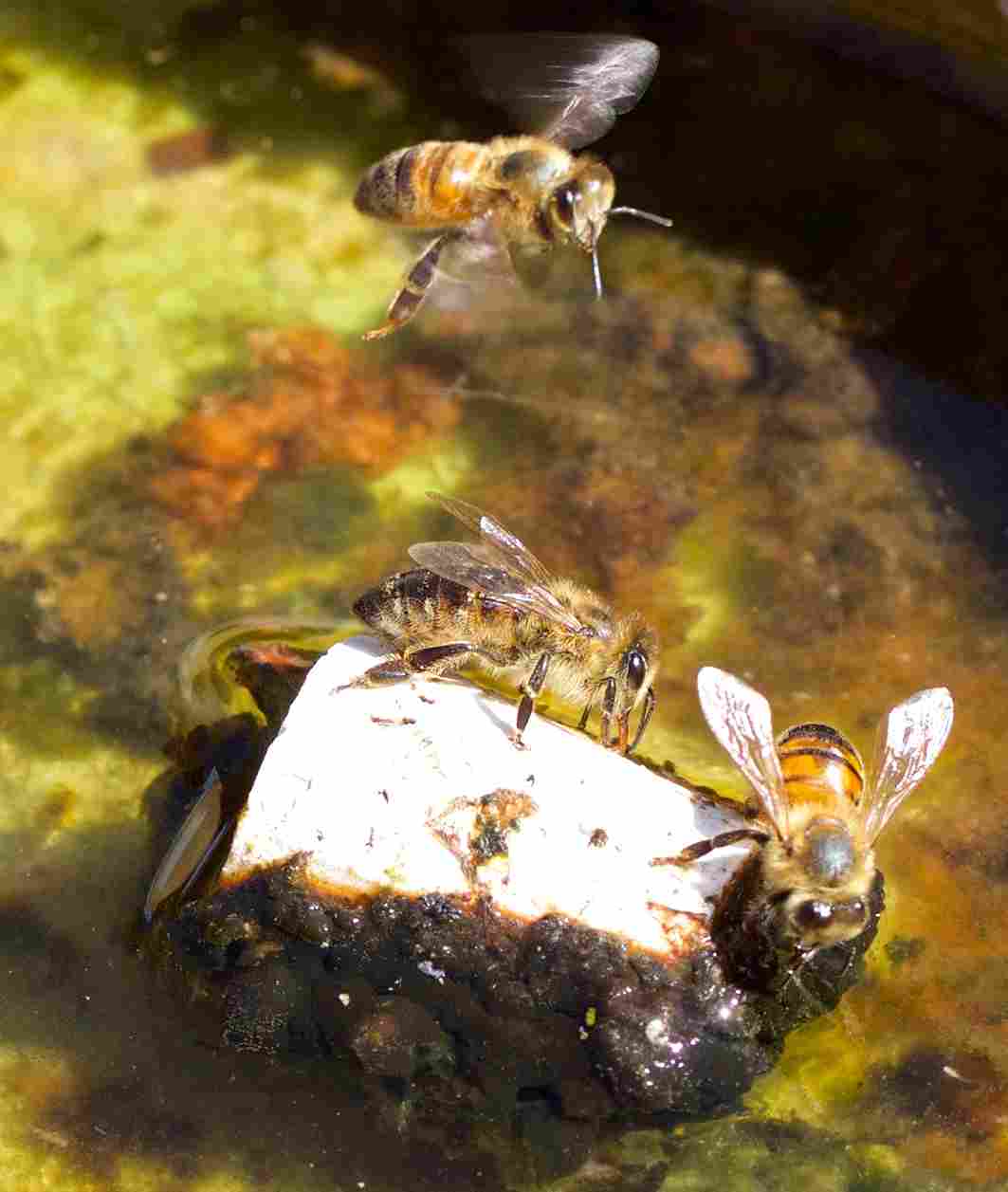
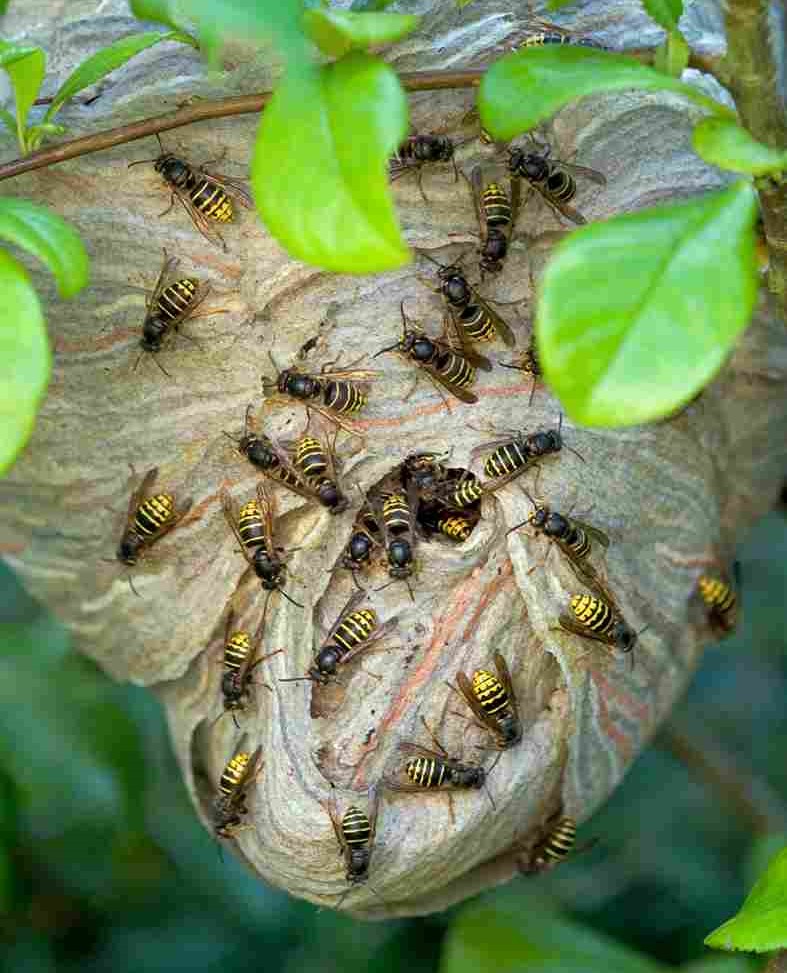
No. Bees and wasps behave very differently and play different roles in the environment. Bees are important pollinators and are generally less aggressive, while wasps and hornets are more defensive and more likely to sting when their nest is disturbed.
Chilton’s focuses on safe and responsible pest control. When it comes to bees, especially honeybees, we prioritize preservation whenever possible and may recommend relocation instead of extermination. Wasps, hornets, and yellow jackets are typically treated for removal due to their aggressive nature and risk to people and pets.
Yes. DIY removal often leads to stings, injuries, or incomplete removal which can make the problem worse. Wasps and hornets can become aggressive very quickly when their nest is disturbed. Professional treatment is the safest option.
Yes. Chilton’s uses products and methods that are applied carefully and according to label guidelines. Our technicians will explain any precautions needed before and after treatment to keep everyone safe.
Proper removal and treatment greatly reduce the chances of return. We also help identify conditions that attract nesting insects and provide recommendations to prevent future issues.
Yes. Chilton’s offers ongoing pest control plans that include preventative treatments and routine inspections to help reduce nesting and insect activity before it becomes a problem.