The Dreaded Pest
Bed bugs are one of the most dreaded household pests—and for good reason. These tiny, reddish-brown insects feed exclusively on blood and are experts at hiding, multiplying quickly, and hitchhiking from place to place. Whether they appear after a vacation, arrive in used furniture, or are picked up in a public space, bed bugs can turn any home into a stressful environment. The good news? With the right treatment plan and proper preparation, they are absolutely controllable.
This blog breaks down everything you need to know about bed bugs, why product-based treatments are often more effective than heat alone, and the important prep work customers must complete to ensure success.
Understanding Bed Bugs and Their Behavior
Bed bugs are small—about the size of an apple seed—but their impact is anything but small. Their ability to hide in cracks and crevices, from mattress seams to electrical outlets, makes them difficult to locate without training and specialized tools. They tend to feed at night, leaving itchy bite marks on areas of exposed skin. While they don’t spread diseases, the stress, anxiety, and loss of sleep they cause can seriously affect your daily life.
A few things to remember:
- Bed bugs can live for months without feeding. This makes waiting them out impossible.
- They reproduce quickly. A single female can lay 200–500 eggs in her lifetime.
- They hide extremely well. Clutter, furniture joints, and fabrics give them countless hiding spots.
Because of these factors, effective control requires a structured, professional approach.
Heat Treatment vs. Product Treatment: Why We Prefer Products
Heat treatments have become popular in recent years, and while they can be effective in certain situations, they are not without limitations. Our experience leads us to believe that product-based treatments offer a more reliable, longer-lasting solution. Here’s why:
- Heat Has No Residual Protection
A major downside of heat is that once the equipment is turned off and the home cools back down, the treatment is over. There is zero residual effect to protect against eggs that may have been in insulated areas or bugs reintroduced afterward.
Products, on the other hand, continue to work long after the initial treatment, helping to kill newly hatched bed bugs and any survivors.
- Heat May Not Penetrate Deep Enough
To be effective, heat must reach every hidden area at a lethal temperature. Bed bugs tuck themselves into cracks, outlets, wall voids, under carpet edges, and inside furniture where heat may not fully penetrate.
Professional products, applied correctly, reach where heat can’t. They can be placed inside voids, along baseboards, in furniture joints, and other strategic sites.
- There’s a Higher Risk of Reinfestation After Heat
Because heat leaves no lasting barrier, customers who travel frequently, live in multi-family housing, or have ongoing exposure are more likely to experience reinfestation.
Product-based treatments create a protective zone, reducing the risk dramatically.
- Products Are Targeted and Strategic
When properly applied, product treatments target bed bug biology directly—interrupting molting, reproduction, and movement. Using multiple product types in a strategic rotation hits the insects at every life stage.
- Product Treatments Are More Cost-Effective
Heat treatments are often significantly more expensive than traditional service. Since they typically require multiple technicians, high-powered equipment, and several hours of setup, customers often pay more for a treatment that doesn’t offer ongoing control.
For all these reasons, although heat has its place, we have found that product-based treatments deliver more consistent, long-term success for our customers.
Prepping for Treatment: Your Bed Bug Prep Checklist
Proper preparation is key to ensuring that your bed bug service is successful. Because bed bugs hide deep in belongings, furniture, and fabric, prepping the home allows the technician to access areas that need to be treated. Here is what customers should do before treatment:
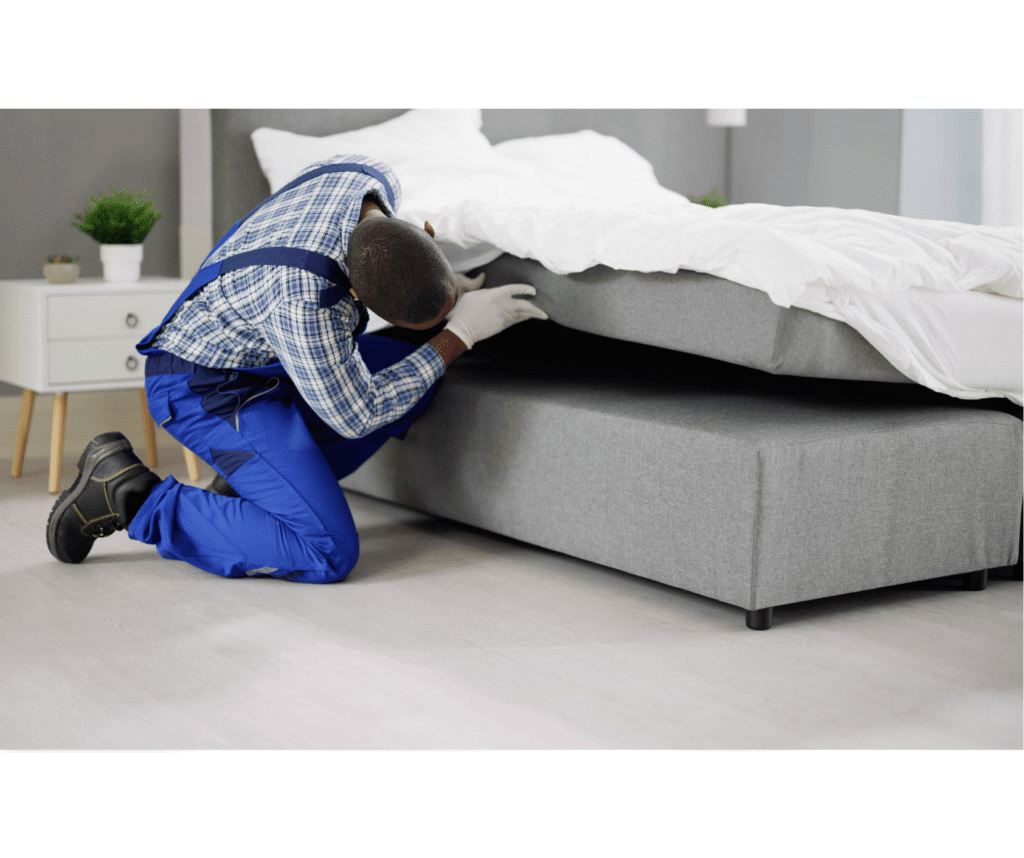
- Reduce Clutter: Bed bugs love clutter. The more hiding spots they have, the harder they are to eliminate.
- Pick items up off the floor.
- Remove unnecessary piles, stacks, or bags.
- Keep items in clearly labeled, sealed plastic bags.
- Launder Bedding and Clothing: Anything that can be washed and dried should be.
- Wash bedding, clothing, and linens in hot water.
- Dry on high heat for at least 30 minutes.
- Place clean items into sealed bags or containers to prevent re-infestation.
- Empty Nightstands and Dresser Drawers: Bed bugs frequently hide in furniture joints and drawer tracks.
- Remove all items from nightstands, dressers, and under the bed.
- Bag the items after removal.
- Do not put items back until after the treatment series is complete.
- Move Furniture Away from Walls: Pull furniture—such as beds, couches, and dressers—at least 6–12 inches away from walls so technicians can access baseboards, outlets, and hiding spots.
- Vacuum Thoroughly: Vacuum carpets, mattresses, box springs, and upholstered furniture.
- Immediately empty the vacuum contents into a sealed bag and dispose of it outdoors.
- Do Not Move Infested Items Into New Rooms: This is a big mistake many people make.
- Moving infested items spreads bed bugs. Keep everything in the room where it already is until after service.
- Prepare Pets: Pets must be removed from treatment areas during service. Make sure they have a safe place to go for a few hours.
- Avoid Using Over-the-Counter Sprays: Store sprays can cause bed bugs to scatter, driving them deeper into hiding and making treatment more difficult. It may also interfere with professional products.
Proper prep improves treatment success dramatically. When customers and technicians work together, bed bugs are much easier to eliminate.
Bed Bugs Can Be Beat—With the Right Plan
Bed bugs can be emotionally and physically exhausting, but they don’t have to take over your home. With a professional treatment plan based on proven products—not just heat—you get a long-lasting solution that addresses both the insects you see and the ones you don’t.
Combine that with thorough prep work, and you’re on the path to restoring comfort and peace of mind in your home. If you’re dealing with bed bugs or think you might be, reaching out to a professional early is the key to stopping them before they spread further.