
A Homeowner’s Guide to Identification, Behavior, and Pest Control
Ants are one of the most common pests encountered by homeowners across Missouri. From kitchens and bathrooms to basements and outdoor spaces, these small insects have a way of showing up where they’re not wanted. While many ant species are harmless and even beneficial to the environment, others can become a persistent nuisance or cause damage to your home.
Understanding how to identify ants, why they invade, and how to effectively control them is key to protecting your home. This guide covers the most common types of ants in Missouri, their behavior, proven pest control methods, and practical prevention tips to keep them from coming back.
Understanding Ants: Who They Are and Why They Matter
Ants are highly social insects that live in structured colonies. Each colony typically includes a queen, whose primary role is reproduction, worker ants that gather food and maintain the nest, and male ants that exist mainly for mating purposes. Some species even have multiple queens, which allows their colonies to grow rapidly and spread.
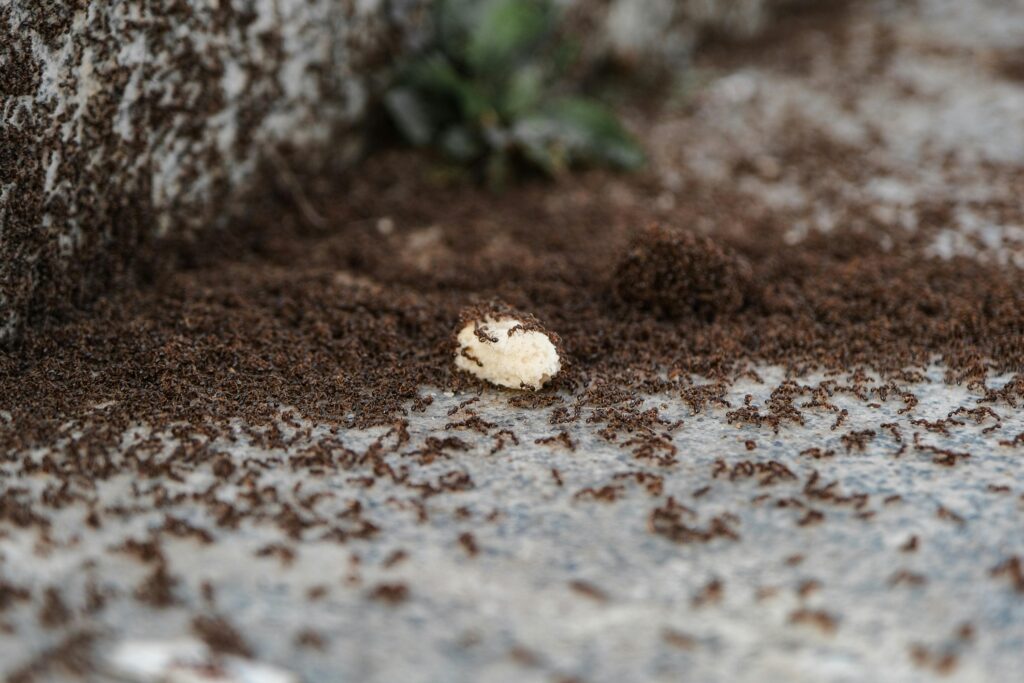
One of the most fascinating aspects of ant behavior is their use of pheromones. These chemical signals act as a communication system, helping ants create trails to food sources, warn of danger, and coordinate colony activity. This is why you may notice a steady line of ants traveling back and forth once they’ve found something to eat in your home.
Missouri is home to more than 150 species of ants, but only a small percentage regularly invade homes or become pest problems. Knowing which type of ant you’re dealing with can make a big difference in how you approach treatment.
Common Ant Species in Missouri
Odorous House Ant
Odorous house ants are among the most common indoor ants in Missouri. They are small, dark brown to black, and known for the distinct rotten coconut smell they produce when crushed. These ants are particularly challenging because they often form large colonies with multiple queens. This means that eliminating just one part of the colony may not solve the problem entirely.
Pharaoh Ant
Pharaoh ants are tiny, light yellow or tan ants that thrive indoors. They commonly nest in wall voids, behind cabinets, and near heat sources. One of the biggest challenges with pharaoh ants is that they can split into multiple colonies if disturbed, especially when sprays are used. For this reason, baiting is the most effective treatment method.
Pavement Ant
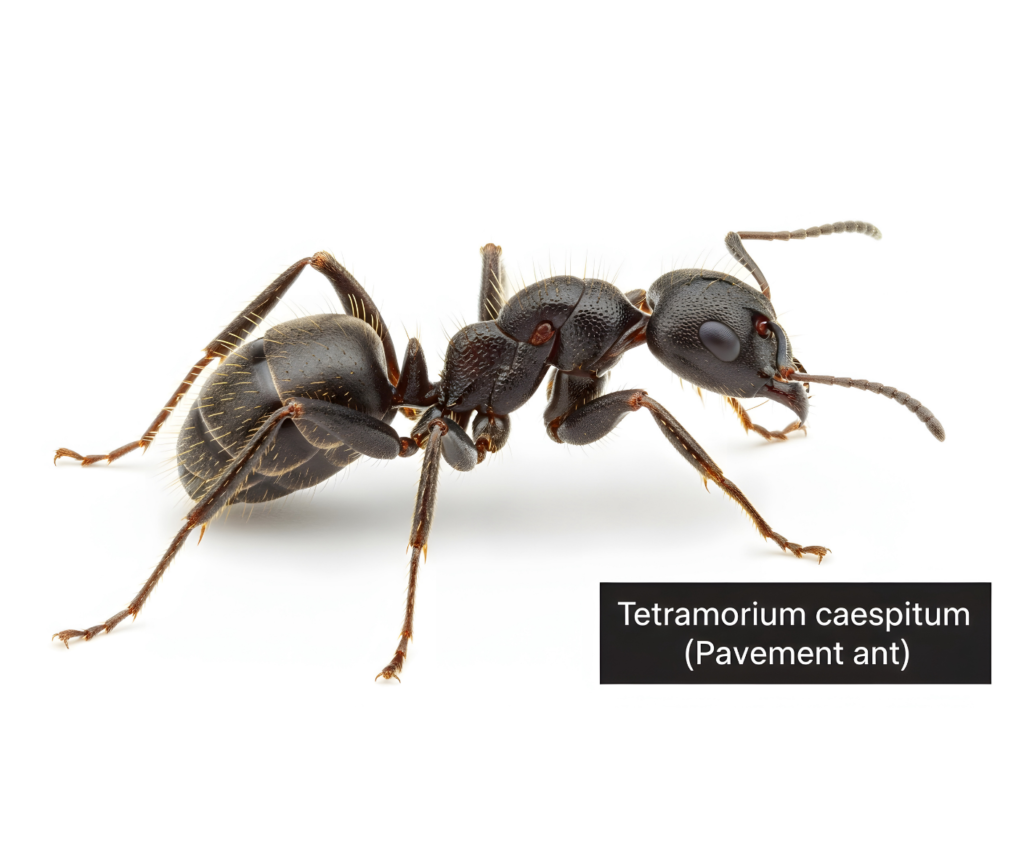
Pavement ants typically live outdoors, building nests under sidewalks, driveways, and concrete slabs. However, they frequently enter homes in search of food, especially during warmer months. They are often spotted along baseboards, near foundations, or in kitchens.
Carpenter Ants
Carpenter ants are one of the largest ant species found in Missouri and are a major concern for homeowners. Instead of eating wood, they excavate it to create nests, which can weaken structural components over time. They are often attracted to moist or decaying wood, making areas with water damage especially vulnerable.
Acrobat Ants and Field Ants
Acrobat ants get their name from their defensive posture, raising their abdomen over their head when threatened. They may nest in damp or damaged wood and occasionally move indoors. Field ants are typically outdoor ants that build large mounds, but they are sometimes mistaken for carpenter ants due to their similar size and appearance.
Why Ants Invade Homes
Ants are constantly searching for resources to support their colony, and homes provide easy access to everything they need. The three main reasons ants come indoors are food, water, and shelter.
Food is the biggest attractant. Even small crumbs, sticky spills, or unsealed pantry items can draw ants inside. Sugary foods are especially appealing, but many species will also feed on grease, proteins, and pet food.
Water is another key factor. Leaky pipes, damp areas under sinks, and high humidity levels create ideal conditions for ants to thrive. Bathrooms, kitchens, and basements are common hotspots for this reason.
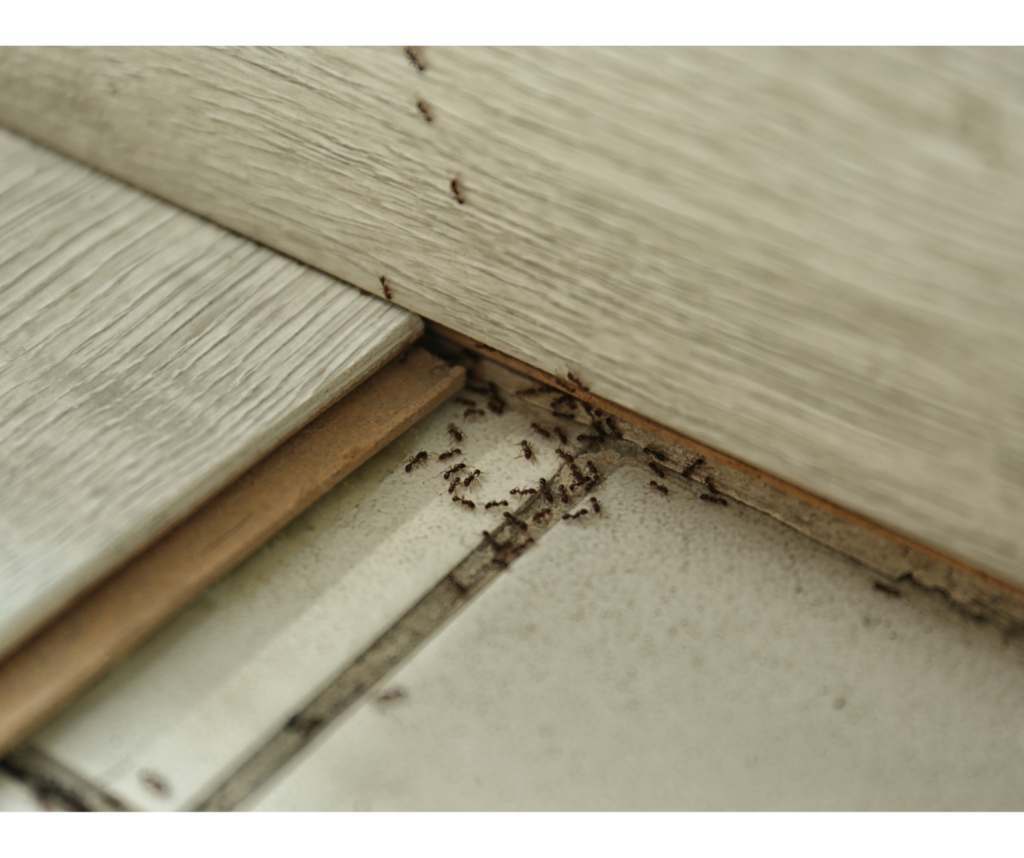
Shelter also plays a role, particularly during extreme weather. Ants may move indoors to escape heavy rain, excessive heat, or cooler temperatures.
Once a few ants find a reliable food or water source, they leave behind a pheromone trail. This trail acts like a roadmap for other ants, allowing them to quickly follow and expand the infestation.
Effective Pest Control Strategies
Successfully controlling ants requires a combination of proper identification, targeted treatment, and consistent maintenance.
Start with Proper Identification
Different ant species respond to different treatment methods. What works for one type may not work for another, so identifying the species is an important first step.
Eliminate Food and Water Sources
Keeping your home clean is one of the most effective ways to deter ants. Wipe down surfaces regularly, sweep floors, and store food in airtight containers. Don’t forget to clean up pet food and check for hidden crumbs in hard-to-reach areas.
Addressing moisture issues is equally important. Repair leaks, improve ventilation, and reduce humidity levels wherever possible.
Disrupt Ant Trails
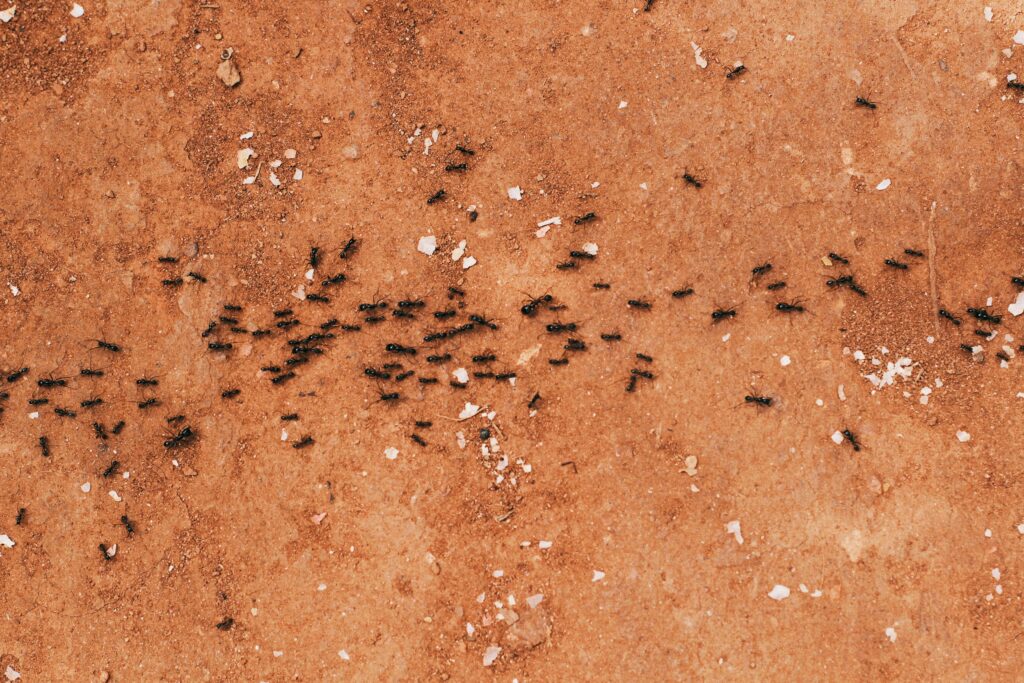
Cleaning surfaces with a vinegar and water solution can help break down pheromone trails, making it harder for ants to navigate back to food sources.
Use Baits Strategically
Ant baits are one of the most effective control methods because they target the colony at its source. Worker ants carry the bait back to the nest, where it is shared with other ants, including the queen. This approach helps eliminate the entire colony rather than just the ants you see.
Treat Outdoor Areas
Since many infestations start outside, treating the exterior of your home can make a big difference. This includes addressing visible nests, sealing entry points, and maintaining your yard.
Consider Professional Pest Control
For persistent infestations or situations involving carpenter ants and structural concerns, professional pest control services provide a more thorough and long-term solution. Ongoing treatments and inspections can help prevent future issues.
Ants vs. Termite Swarmers: How to Tell the Difference
One of the most common concerns for homeowners is confusing ants with termite swarmers. Both can appear in large numbers, especially during the spring, and both may have wings. However, telling the difference is critical, as termites can cause significantly more structural damage.
Here are the key differences to look for:
Body Shape
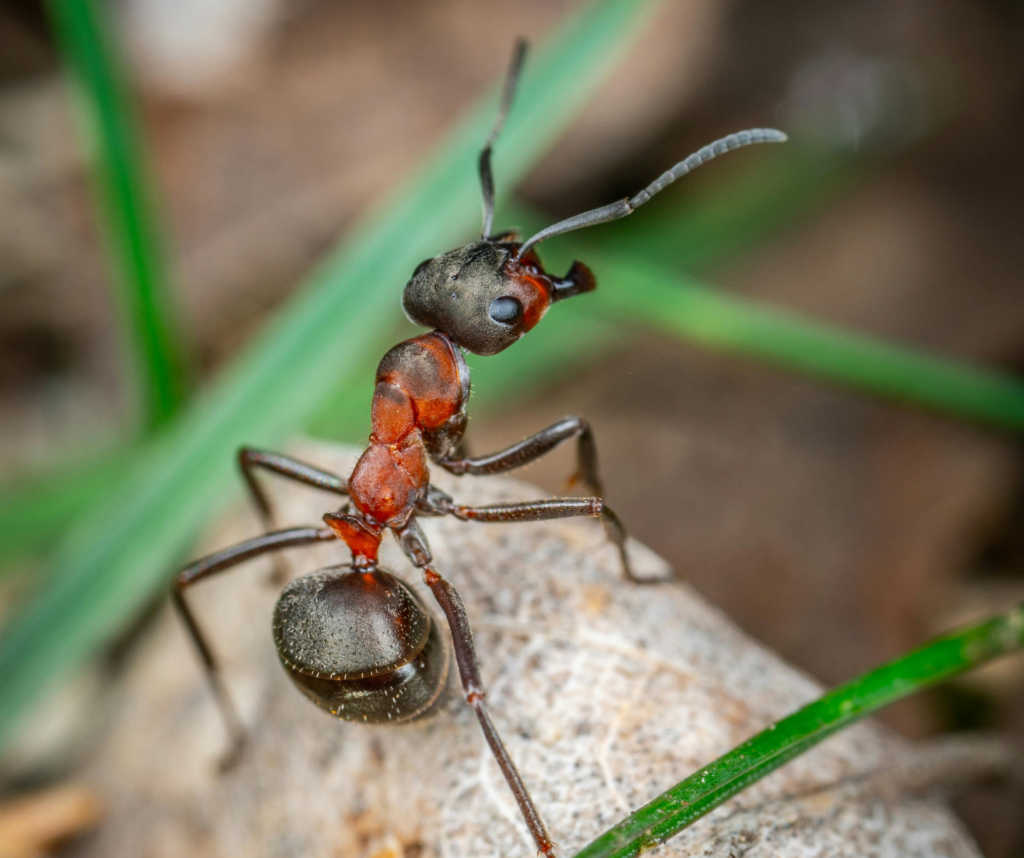
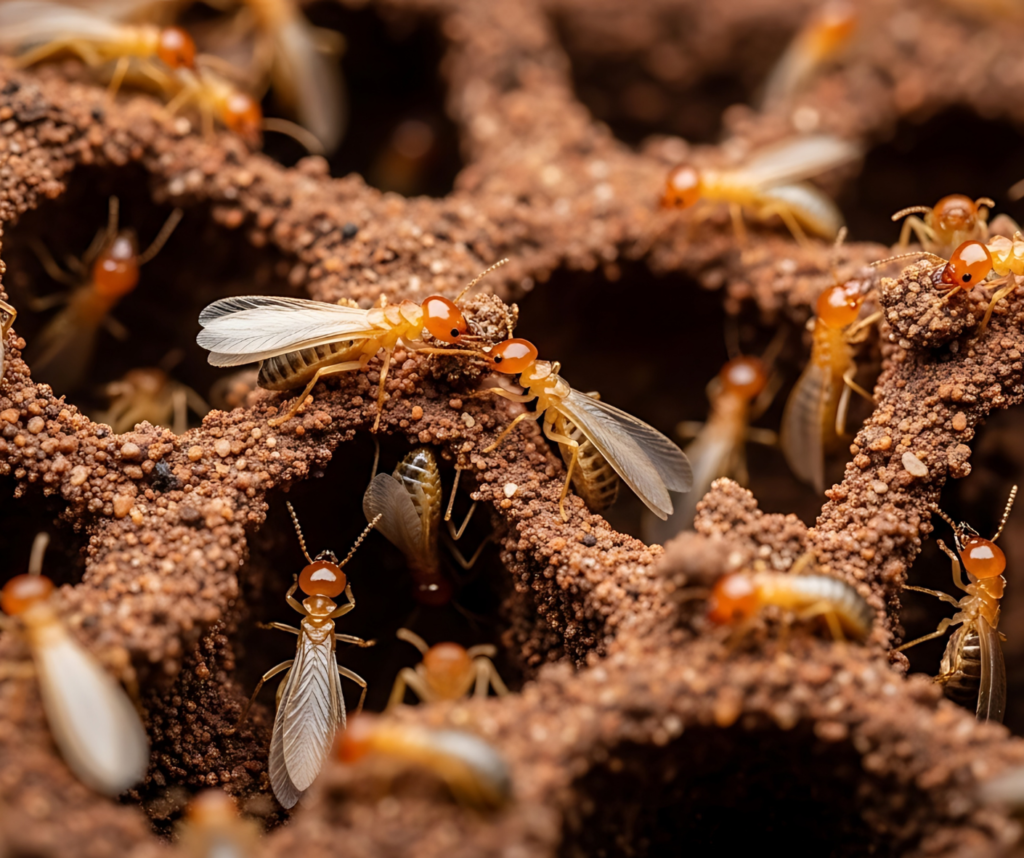
Ants have a narrow, pinched waist that clearly separates their body segments. Termites have a straight, uniform body with no defined waist.
Antennae
Ants have bent or elbowed antennae. Termites have straight, beaded antennae.
Wings
Winged ants have two sets of wings that are different sizes, with the front wings being larger than the back wings. Termite swarmers have two sets of wings that are equal in size and length.
Behavior
Ant swarmers are often seen around windows, lights, or outdoor areas as they search for new nesting sites. Termite swarmers are usually found near their colony and are often accompanied by discarded wings, which can be a major warning sign of an active infestation.
If you’re unsure whether you’re seeing ants or termites, it’s best to have a professional inspection. Misidentifying termites as ants can delay treatment and lead to costly damage.
Ant
Termite Swarmers
Preventing Future Ant Infestations
Prevention is the best long-term strategy when it comes to ant control. Taking a few proactive steps can significantly reduce your chances of dealing with recurring problems.
Seal cracks and gaps around doors, windows, and your home’s foundation to block entry points. Keep landscaping trimmed back so branches and plants do not touch the house. Store firewood away from the structure and off the ground to avoid attracting ants near your home.
Regular inspections can also help catch small issues before they turn into larger infestations. Whether you handle maintenance yourself or work with a pest control provider, consistency is key.
Ants are a common part of life in Missouri, but they don’t have to take over your home. By understanding the types of ants you’re dealing with, addressing the conditions that attract them, and using the right control methods, you can effectively manage and prevent infestations.
If ant problems persist or become overwhelming, working with a professional pest control company can provide peace of mind and long-lasting protection. With the right approach, you can keep your home ant-free and comfortable year-round.